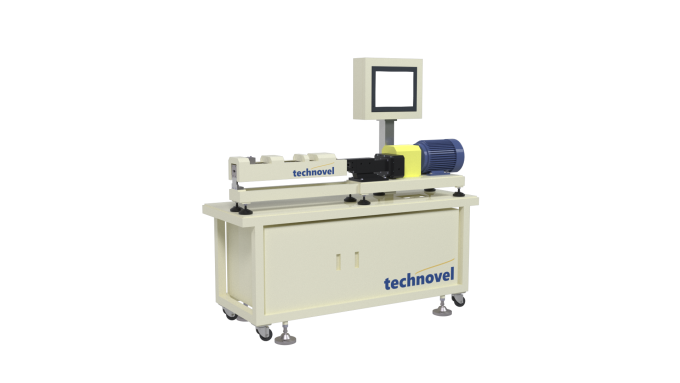
LOOP TWIN SCREW EXTRUDER
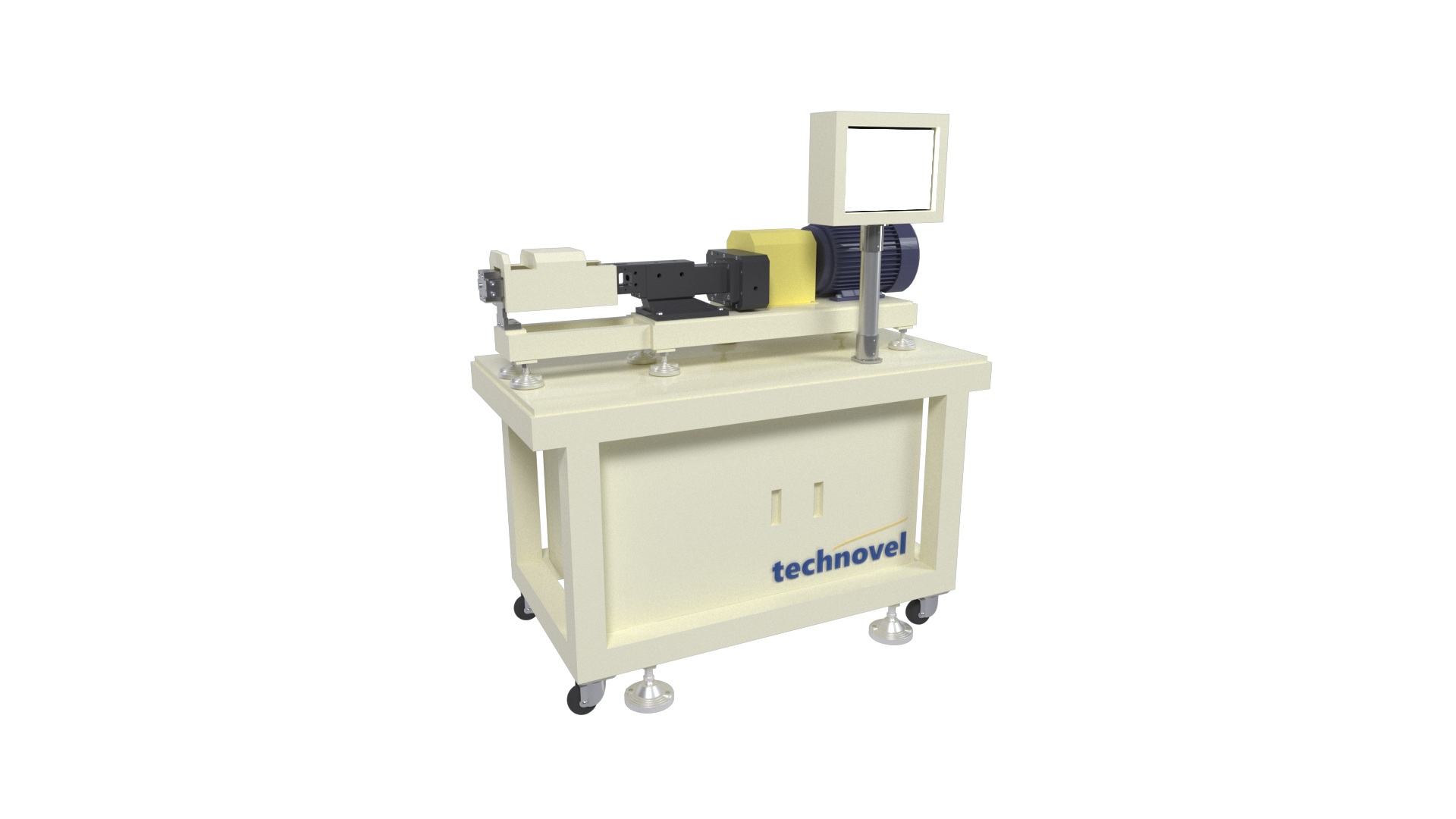
- POINT01
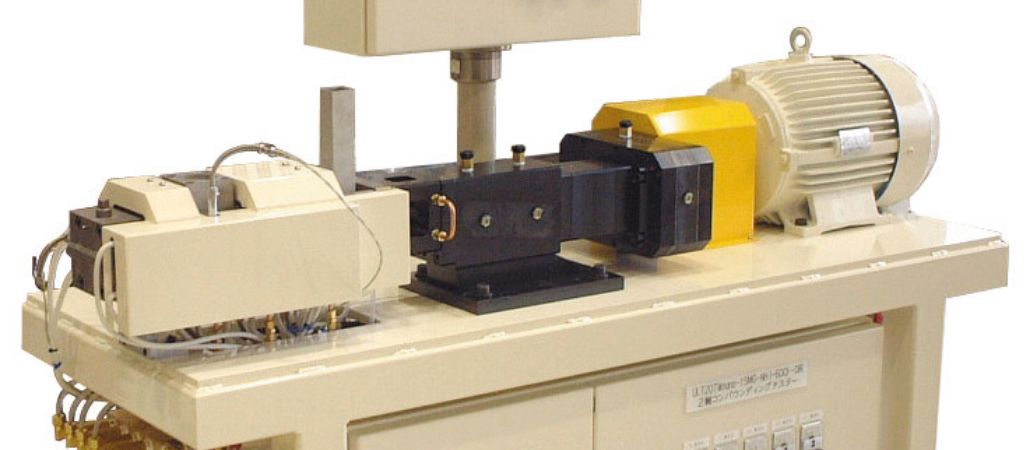 Original loop twin screw extruder
Various factors such as residence time and compounding conditions can be freely set by the loop line. Since possible to evaluate ultra-small amount with a few grams, it can easily contribute to the collection of basic date.
- POINT02
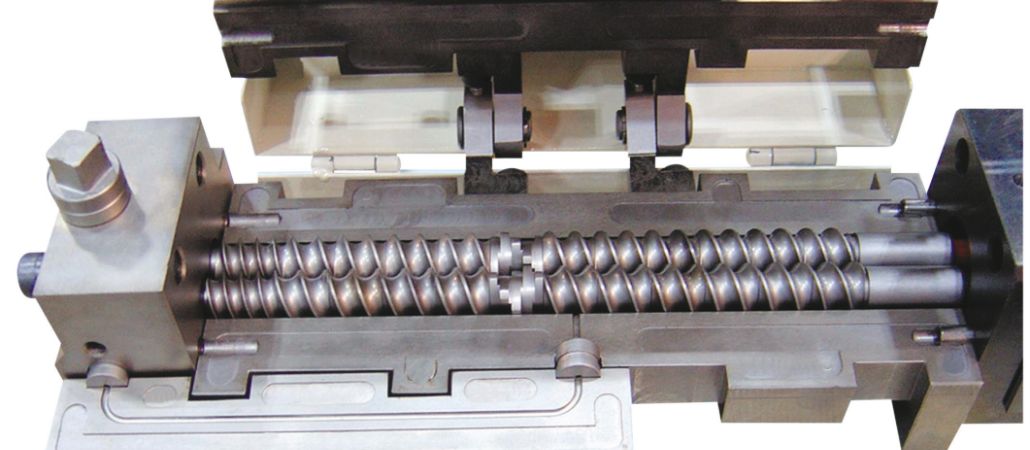 Versatile screw formation
Easily collect the basic date such as the torque, screw speed, barrel temperature for the R&D.
Technical Data
| Screw diameter | 06, 08, 10, 12, 15, 20, 25 |
|---|---|
| Number of screw | TW : Twin screw type |
| L / D | 15/30 |
| Grade | “ULTnano” series |
| Screw type | NH : Standard depth of screw grove SH : Deeper screw depth OT : Other specification |
| Screw rpm | 100~10,000rpm |
Applications
The recirculating ULTnano at the forefront of R&D
“Only a little material to spare,” “conditions to vary in fine steps,” “data needed along the way”:
in the assessment stage before moving to mass production, very small volume evaluation shows its strength.
Even newly synthesized polymers available only in small quantity can be assessed for kneadability and dispersibility from a few grams, so many candidates are narrowed down quickly.
The high shear of repeated loop circulation drives deagglomeration and dispersion of nanofillers, while we capture the relationship between kneading history and dispersion state.
Because material circulates inside the machine rather than being discharged, none of a valuable feedstock is wasted, and trial evaluation is possible on a scale of a few to several tens of grams.
By logging machine load, melt temperature and melt pressure over time, the progress of reactive extrusion and dispersion can be followed along a clear time axis.
Each condition is varied independently to find the optimum.
Ahead of full scale compound design and machine selection on continuous extruders, we provide reliable baseline data and judgment.
Technovel products
-
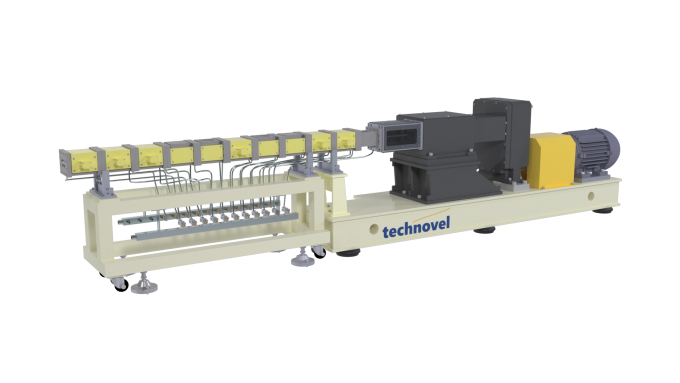 TWIN SCREW EXTRUDER
Technovel Standard TSE
KZW / MFU / ZRO SERIES -
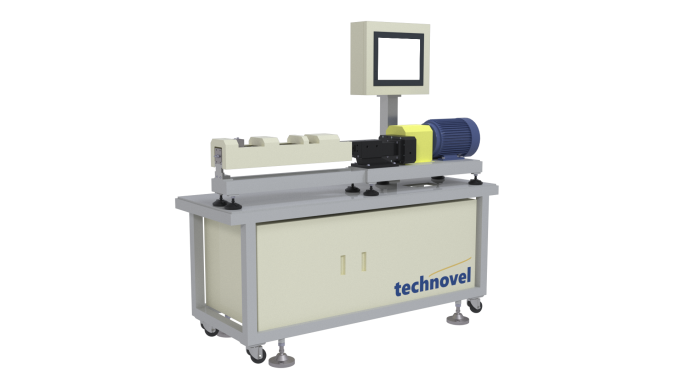 LAB TWIN SCREW EXTRUDER
Technovel Popular Product
KZW / MFU / ZRO SERIES -
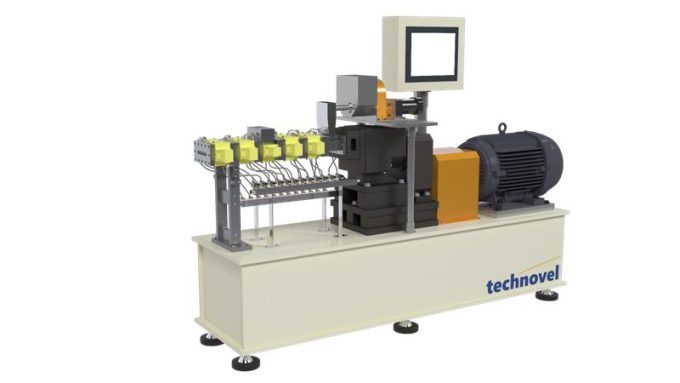 QUAD/OCTA SCREW EXTRUDER
Technovel Original Product
WDR-OT /WDR-QD Series -
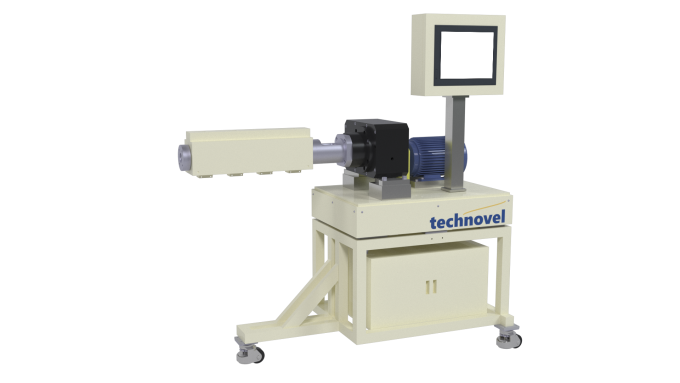 SINGLE SCREW EXTRUDER
Technovel Standard Model
SZW Series -
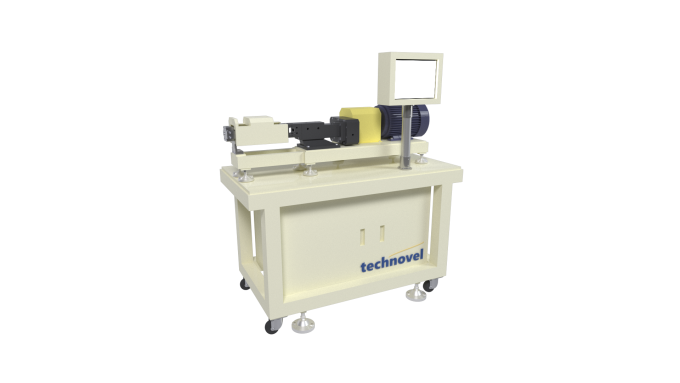 LOOP TWIN SCREW EXTRUDER
Loop Type Model
ULTnano Series -
 COUNTER-ROTATING TWIN SCREW EXTRUDER
Counter Rotating Model
TCR Series
Get in touch with us.