What is Extrusion Molding? | Technovel
Characteristics of Extrusion

Extrusion is a manufacturing process that heats a resin until it melts and then pushes the molten material through a die to form continuous products.
Because the process runs without interruption, it suits the production of tubes, pipes, sheets, and films. Plastic feedstock is heated inside the extruder, melted and mixed uniformly, and shaped by a specialized die that defines the final geometry. The material is formed into a predetermined cross section. The die is the key tooling that governs the final shape of the product, and dies with various cross section geometries are used. After leaving the die, the shaped resin enters a cooling zone where air or water rapidly brings it down to a solid state. From there, a haul off unit or pelletizer cuts and winds the product to the specified length or form.
Extruders Are a Continuous Production Method
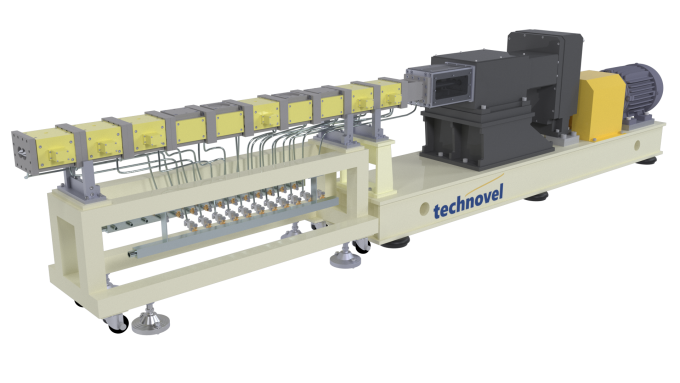
Extrusion is a continuous production method, and its process flow differs substantially from other techniques. Because production runs without pause, it suits high volume manufacturing.
Since extrusion enables continuous output, some manufacturers are replacing conventional batch mixer processes with continuous compounding lines. Traditional batch mixers offer the advantage of longer material residence time, but the working environment during raw material loading can present challenges. A twin screw extruder, in contrast, allows continuous processing, with potential gains in productivity and clear improvements to the work environment.
Other Plastic Forming Methods
Thermoplastics melt when heated above a certain temperature and harden again when cooled. This property is the basis for producing a wide range of resin products. Forming methods for thermoplastics include extrusion, injection molding, blow molding, calendering, and several others. Extrusion is one of these plastic forming techniques. Injection molding and some blow molding methods hold the resin stationary inside a mold while it cools and solidifies. This is a batch production approach that yields one product at a time.
Types of Extrusion
Pelletizing
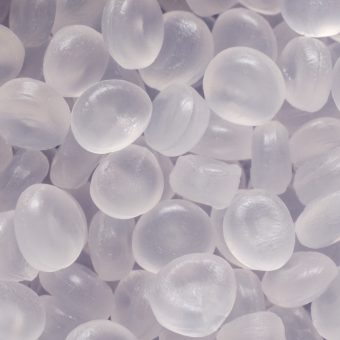
Pellet production uses an extruder to convert raw resin into small particles of uniform shape called pellets. In the process, raw resin is first heated and melted, then pushed through a die into thin strands. The strands are cooled with water or air, and once solid they are cut to a set length by a pelletizer to form pellets. These pellets feed downstream operations such as injection molding and blow molding. Pellet production improves the processability of the material and also makes transport and storage far more practical.
Film and Sheet Forming
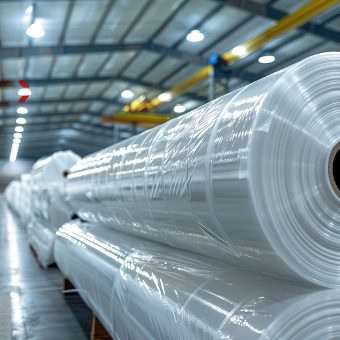
In film production, extrusion is the step that pushes molten resin into a very thin sheet form. Blown film processing extrudes the molten resin and uses air to inflate it into a film, which is then cooled and solidified. The result is a thin film with uniform thickness. Cast film processing extrudes molten resin through a flat T die, and chill rolls immediately cool and solidify it. This method offers precise thickness control and suits the production of films with high optical clarity. Film production is widely used for packaging materials and sheet products.
Pipe and Tube Forming
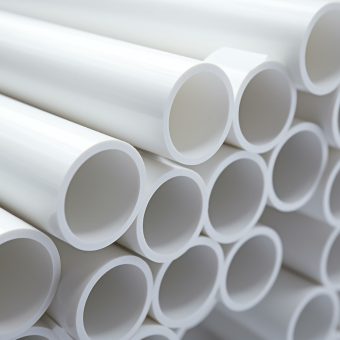
Pipe and tube forming is a foundational extrusion application, processing resins such as rigid PVC, flexible PVC, polyethylene, and polypropylene. The product range is broad, covering water and sewage pipes, gas pipes, electrical conduit, civil and construction parts, and at the smaller end, medical tubing.
Profile Extrusion
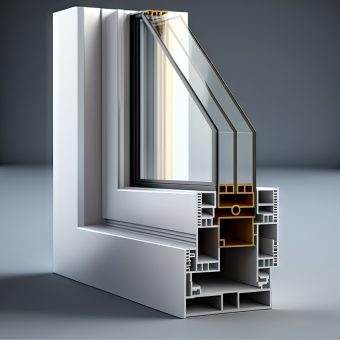
Profile extrusion is the technique used to form products with a specific cross section. It serves the manufacture of plastic parts that carry complex cross sectional geometries. Window frames and door frames in construction are representative examples. In profile extrusion, the die design is critical, since the final cross section of the product depends on it. The extruded melt cools while being formed continuously into its final shape. Variations in material and color are also easy to accommodate, which is why the process sees regular use in construction and automotive industries.
Wire Coating
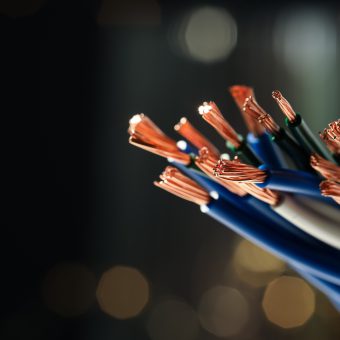
In wire coating, extrusion applies a layer of insulating plastic onto the conductor. Molten resin is extruded over the surface of the wire and then cooled immediately to solidify. The extruder can run the wire through at high line speeds, applying the coating continuously. This process is essential for the insulation, protection, and environmental durability of wires and cables.
Melt Spinning
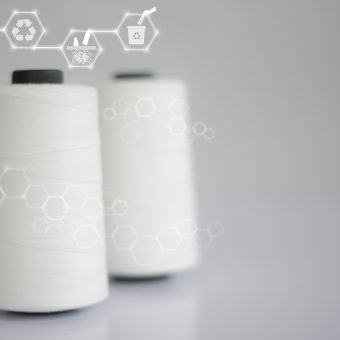
Melt spinning is a form of extrusion used mainly to produce synthetic fibers. Resins such as polyester and nylon are heated until molten and then extruded into very fine filaments. The extruded filaments are cooled and drawn at the same time, which builds strength and forms them into yarn. The fibers produced through this route are used in textiles and apparel. Bundling several filaments together is also a practical way to produce higher strength yarns.
Coextrusion
Coextrusion is a technique that pushes different resins out at the same time to form products with a multilayer structure. Several extruders feed their respective materials, and a single die at the end combines them into a multilayer product. The defining feature of coextrusion is that it lets you combine the properties of multiple materials to deliver the range of functions a product requires. Below are several common applications of coextrusion.
Coextrusion of Films and Sheets
Coextrusion sees especially heavy use in packaging materials. Food packaging film, for example, needs multiple functions in one structure: a barrier layer that blocks oxygen and moisture, plus outer layers that provide flexibility and burst resistance. To meet these demands, resins with different properties are coextruded so that each layer plays its own role in a multilayer film. Coextruded films of this type carry barrier properties against oxygen and moisture together with strength, abrasion resistance, and good processability, which is why they are widely used in food preservation and pharmaceutical packaging.
Coextrusion of Pipes and Tubes
Coextrusion also plays an important role in pipe and tube manufacturing. The inner layer may need chemical resistance, while the outer layer requires mechanical strength and UV durability. To meet both demands in a single extrusion step, different materials are coextruded so that the inner and outer layers carry different properties.
Coextrusion in Wire Coating
Coextrusion finds use in the jacketing of wires and cables as well. For instance, the outer layer may need abrasion resistance and heat resistance, while the inner layer must deliver strong electrical insulation. Coextruding materials with different properties yields cables that combine mechanical durability with electrical performance. The technique is used in particular for the production of high performance wires and communication cables.
Extrusion Products

These include pipes and tubes such as water mains and medical catheters, filament for 3D printers, sheets and films like packaging materials and plastic boards, and insulating jackets for wires and cables. High precision medical tubing and device components, PVC pipes for construction, cable ducts, rain gutters, and siding are also produced by extrusion. Without changing the extruder itself, swapping out the attached tooling (the die) lets you continuously and stably produce a richly diverse set of products from resin pellets: round bars, plates, pipes, sheets, films, and profile parts such as window frames.
Related Extrusion Columns
Extrusion Technology Roadmap
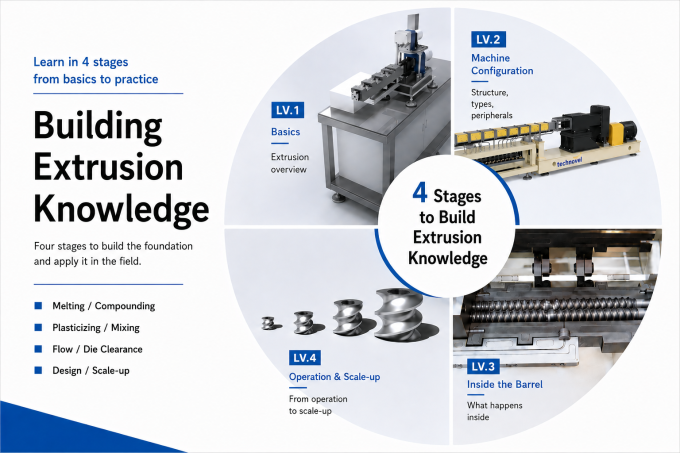
All 13 articles organized in four stages (fundamental concepts / machine configuration / internal phenomena / practical applications)
ABOUT THE PUBLISHER
Technovel Corporation — Extrusion Machinery Specialists
Osaka based Technovel specializes in extrusion machinery. We built the world’s first horizontally multi screw extruder, and our Quad and Octa screw extruders now serve diverse industries. Our twin screw range runs from the world’s smallest 6 mm lab unit, through our best-selling 15 mm model, to large production machines. This column shares the know how behind them.