For US Customers
Lab Scale and Small Twin Screw Extruders for US Customers
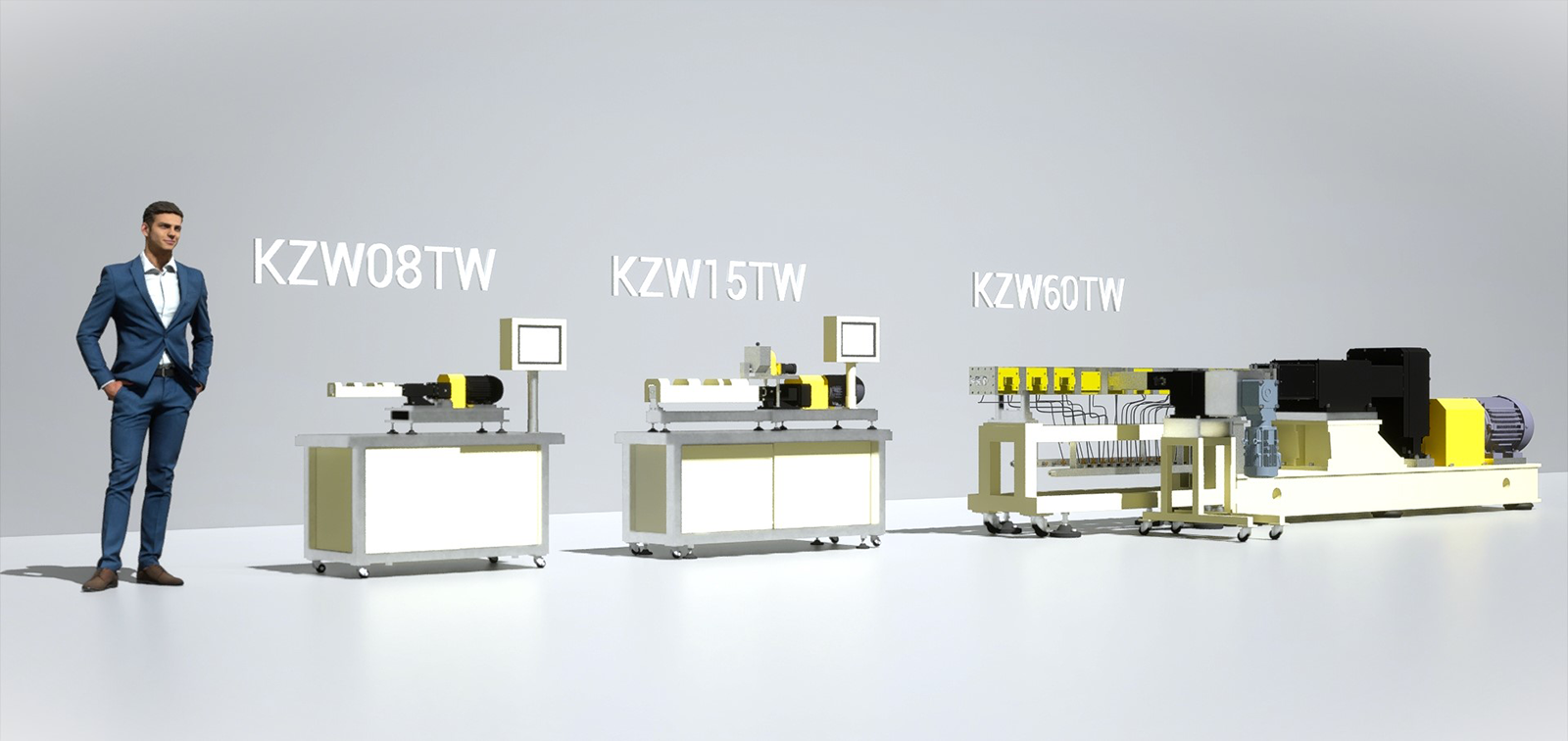
Technovel is a twin screw extruder manufacturer in Osaka, Japan. We design, machine and assemble all our extruders in house, from a 6 mm lab machine to 134 mm production machines. All models use segmented screw elements, so the screw can be built to suit customer requirements.
This page is for customers in the United States. It introduces our lab scale machines, the rest of our product line, and how a project proceeds from the US.
Lab Lineup
R&D twin screw extruders from 6 mm to 25 mm
Seven screw diameters, one of the broadest small diameter ranges in the industry. The 6 mm model is, to our knowledge, the smallest fully segmented co rotating twin screw extruder available, and every machine is a full scale design with the same basic specifications as our production machines.
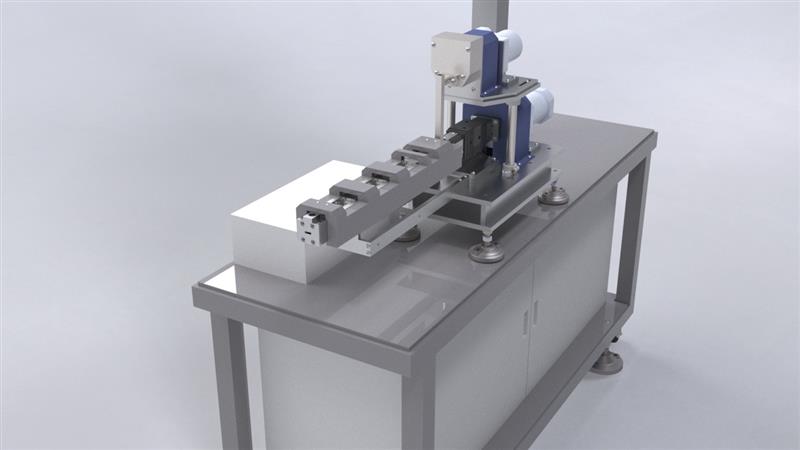
Fully segmented machines that fit on a benchtop and run trials from tens of grams. For scarce, high value materials, this class turns one large trial into dozens of small ones.
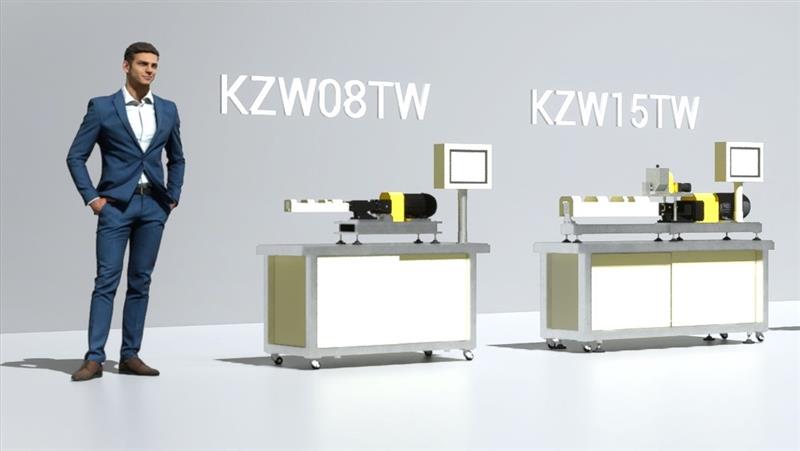
Cart mounted machines that a single researcher can move and operate. The 15 mm model is our most widely used lab machine and the usual starting point for material development.
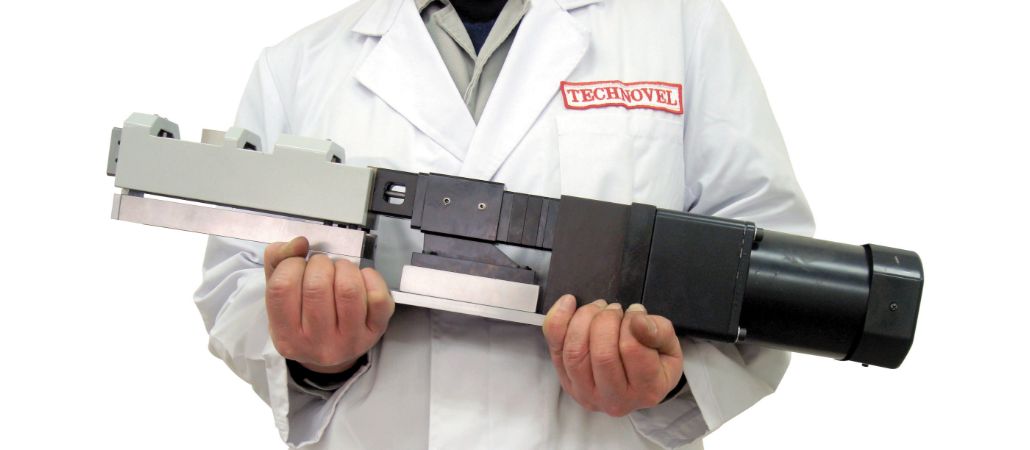
Segmented elements slide off the shaft, so the screw can be reconfigured for the next trial without special equipment.
| Class | Screw diameter | Typical trial scale | Best suited for |
|---|---|---|---|
| Ultra compact | 6 / 8 mm | Tens of grams | Screening of scarce, high value materials |
| Compact | 10 / 12 mm | Tens to hundreds of grams | Formulation screening with limited material |
| Standard lab | 15 mm | Hundreds of grams to kg, continuous | Our most widely used lab model; general material development |
| Bench to pilot | 20 / 25 mm | Several kg, continuous | Process development and small lot production |
Why Lab Scale
Advantages of lab scale twin screw extruders
Our smallest machines run continuous compounding trials from tens of grams of material. This is useful for expensive or scarce materials, such as battery compounds, medical grade polymers and newly synthesized resins.
A twin screw extruder is a continuous process, unlike a batch mixer. Even at lab scale, you obtain data on pressure and melt temperature that applies to production conditions.
Our lab and production machines use the same segmented screw element geometry. A screw configuration developed on a 15 mm machine can be transferred to larger diameters with fewer adjustments.
Sales & Support
Trials, sales and support in the US
Please send all inquiries to Technovel through the contact form, and our engineering team in Osaka will respond. For customers in the US, sales and after sales support on site are provided by our distributor Orbetron LLC, so support is available locally once a project is under way. You are welcome to contact us before your specifications are fixed.

Founded in 2011 and headquartered in Charlotte, Orbetron is itself a feeder specialist whose ultra small dosing feeders are used at major universities and in the chemical, food and pharmaceutical industries. Technovel distributes Orbetron’s feeders in Japan, and Orbetron represents our extruders in the US, with a KZW15 lab extruder installed for trials.

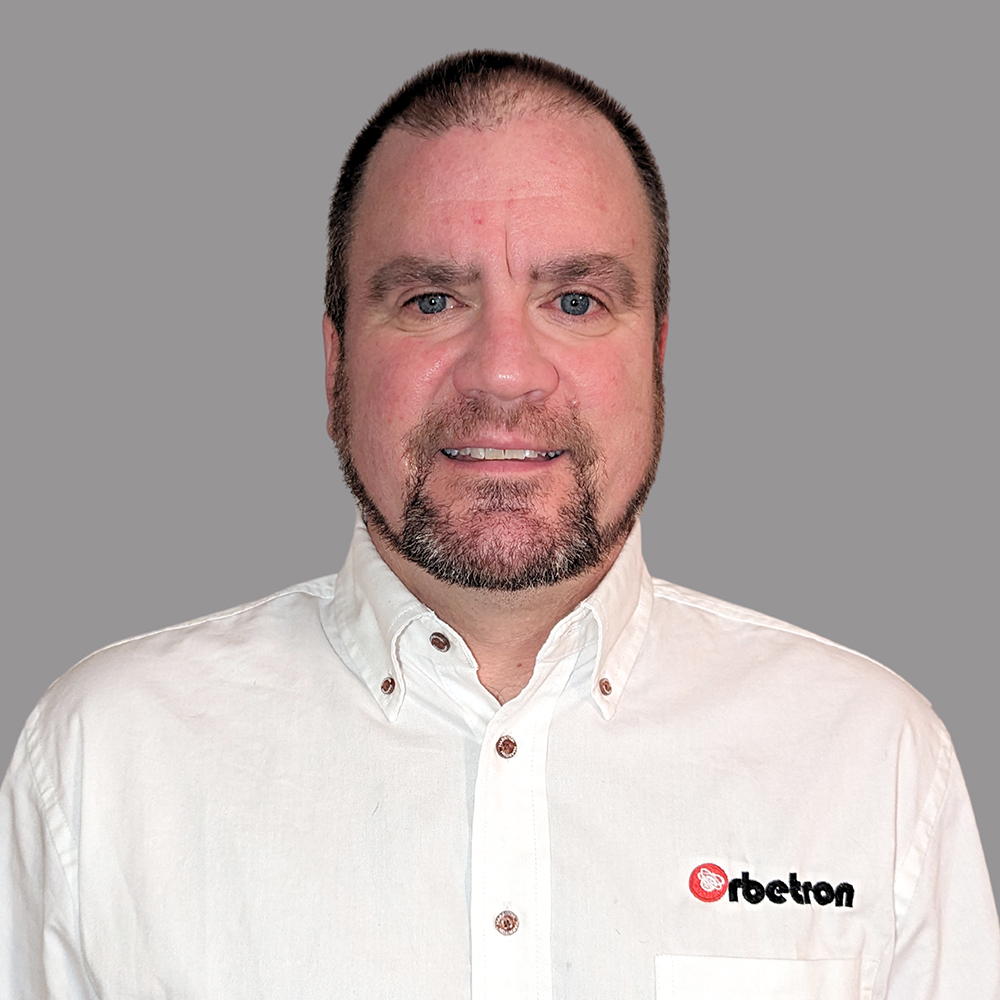

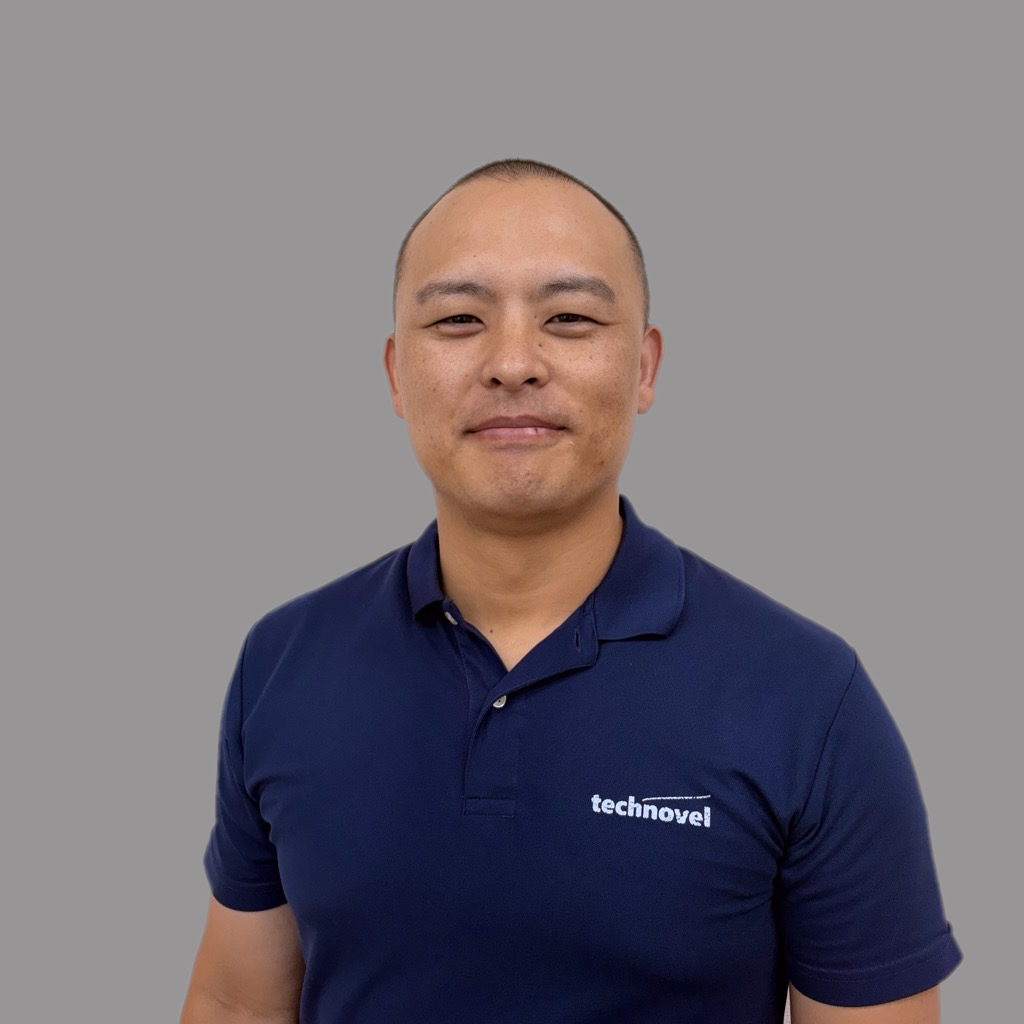

Our distributor Orbetron will exhibit at NPE2027, the plastics show held every three years in Orlando. If you are planning to attend, please let us know in advance and we will arrange a time to meet you at the booth.
Arrange a meeting at NPE2027Extrusion Trials
Talk to us about your extrusion trial
A KZW15 lab extruder is installed at our distributor Orbetron’s facility in Charlotte, and compounding trials for US customers are normally run there. No overseas shipping, no export paperwork for your material. You receive the compounded samples and the process data recorded during the run, together with our assessment of what the results mean for your process. Trials on other machine classes can be arranged at our facility in Osaka. If your material is confidential, we can sign an NDA before you share any details.
Send us your material and target properties through the contact form. An NDA can be signed at this stage.
We propose trial conditions and the machine size to test on.
Your material is processed on the KZW15 in Charlotte. You are welcome to attend.
You receive the samples, the recorded process data, and our assessment of the results.
Product Line
Full lineup from 6 mm to 134 mm
All models below use segmented screw elements, so a screw configuration developed on a small machine remains valid as the process moves to larger ones.
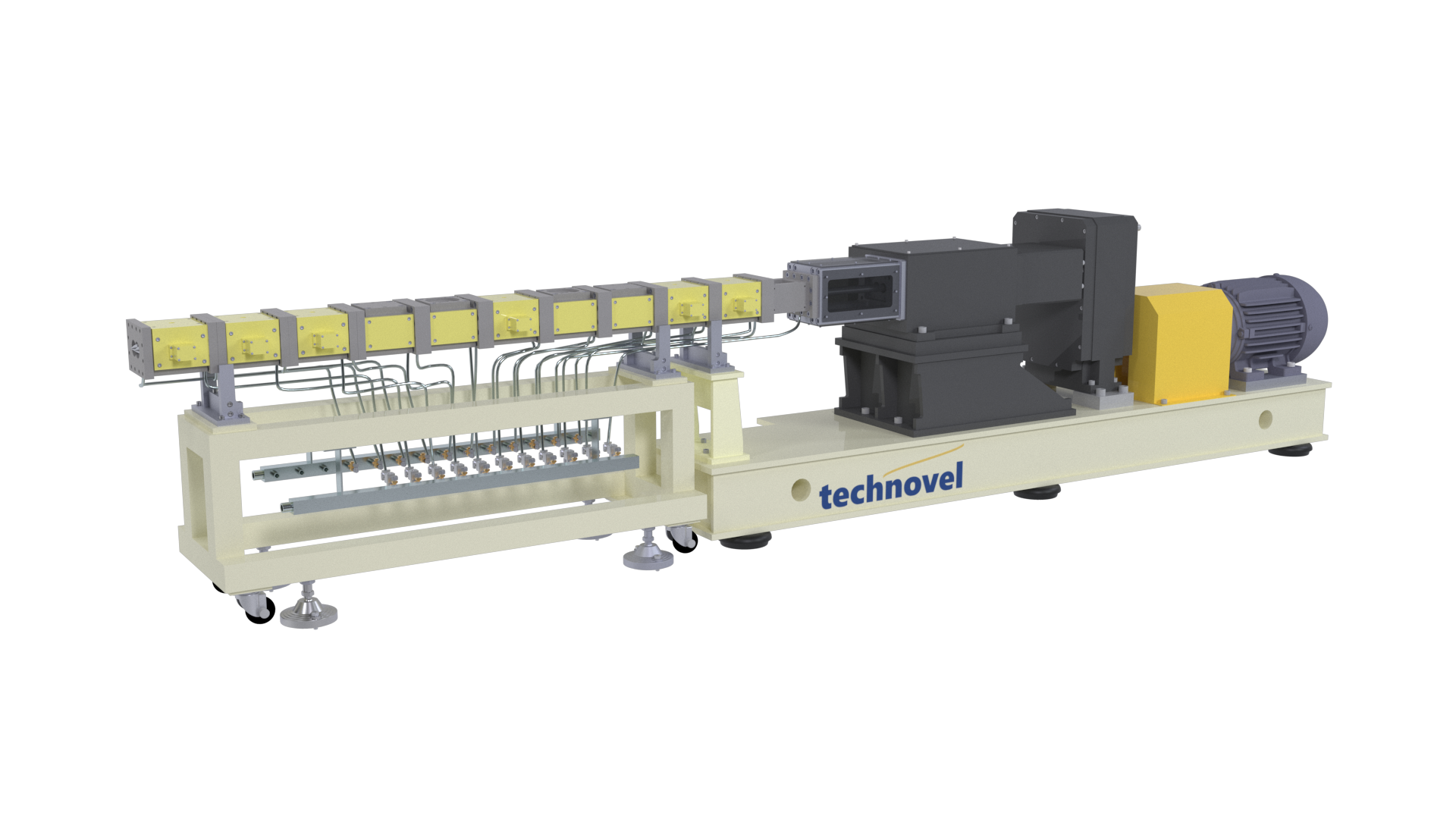
Sixteen sizes from 6 to 134 mm, with L/D arranged to suit the process. The machines accept pellets, powders, liquids and gases, and are configured per project: feeding positions, vent ports, wear and corrosion resistant barrel materials, and downstream equipment. Intermeshing co rotating screws give the series its self cleaning character.
Learn more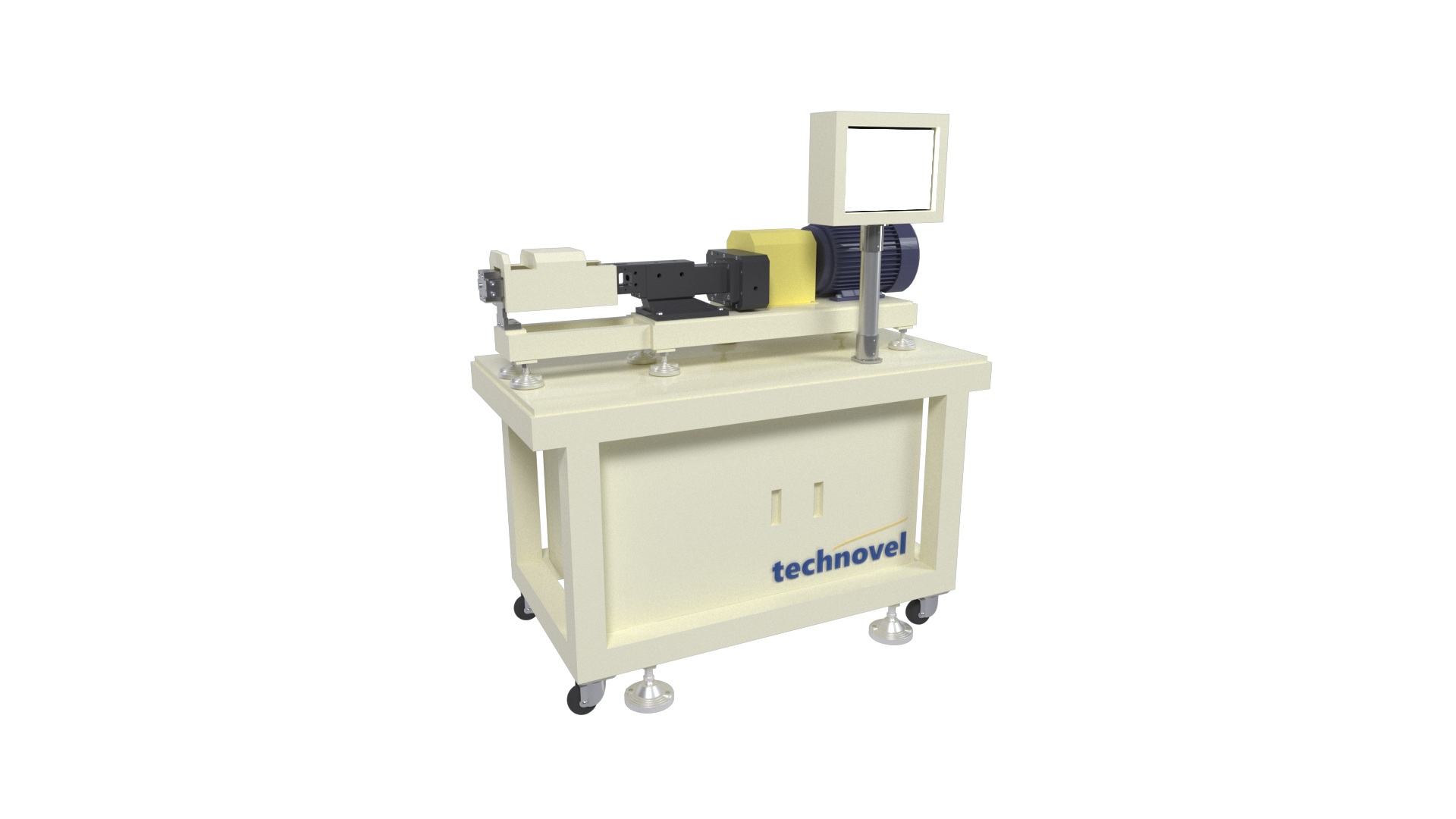
The ULTnano circulates material through a loop instead of extruding it continuously, so residence time can be set independently. A sample of several grams can be kneaded for as long as the experiment requires.
Learn more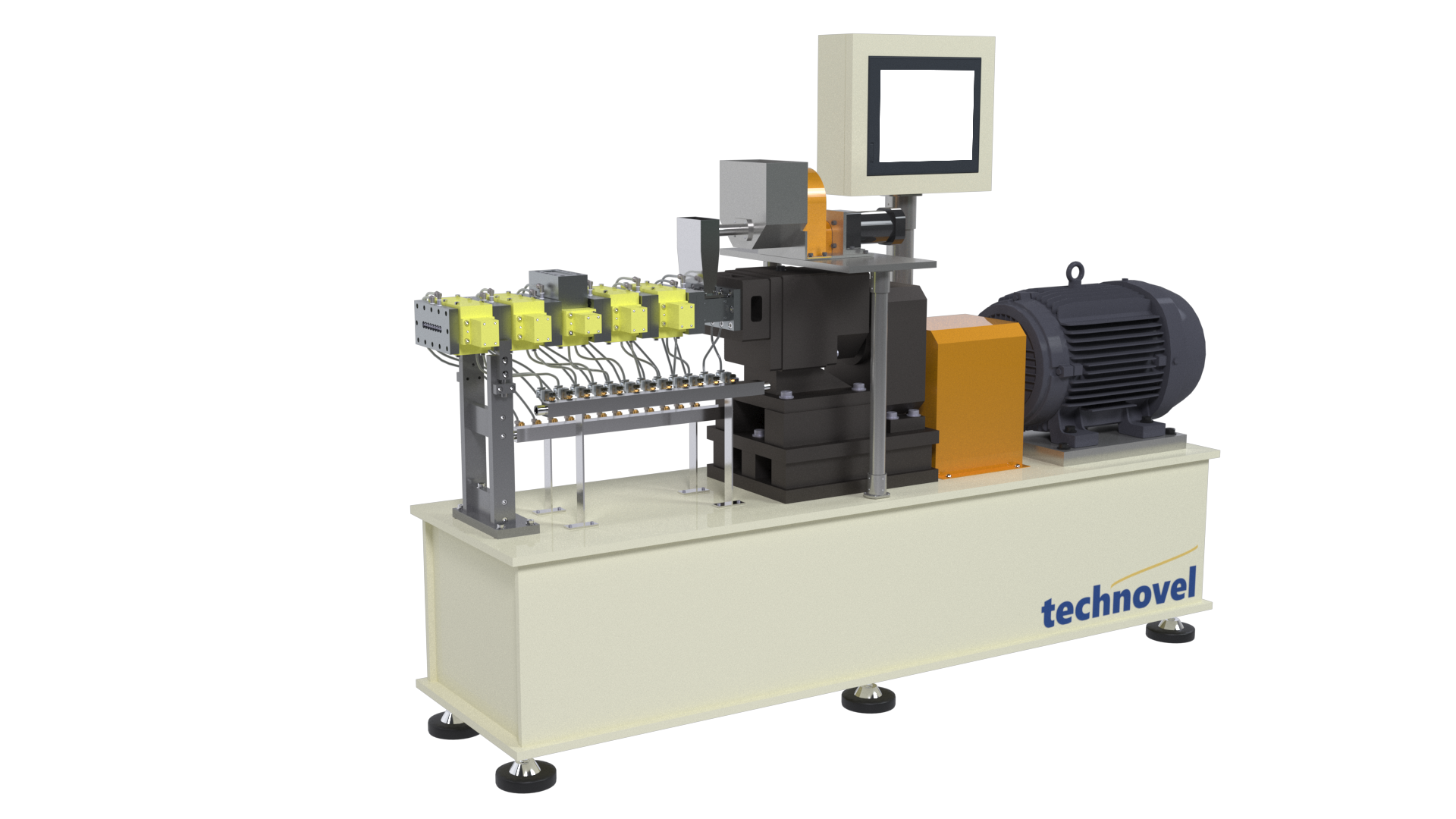
The world’s first horizontal multi screw extruders, available as quad (QD, 4 screws) and octa (OT, 8 screws) models in diameters from 8 to 71 mm. Compared with a twin screw machine, internal free volume is about 3.65 times larger and heat transfer area about 3.3 times greater, and the octa arrangement has 14 intermeshing points against a twin screw’s 2. This allows strong mixing for reactive extrusion, devolatilization, heat sensitive materials and nanofiller dispersion.
Learn more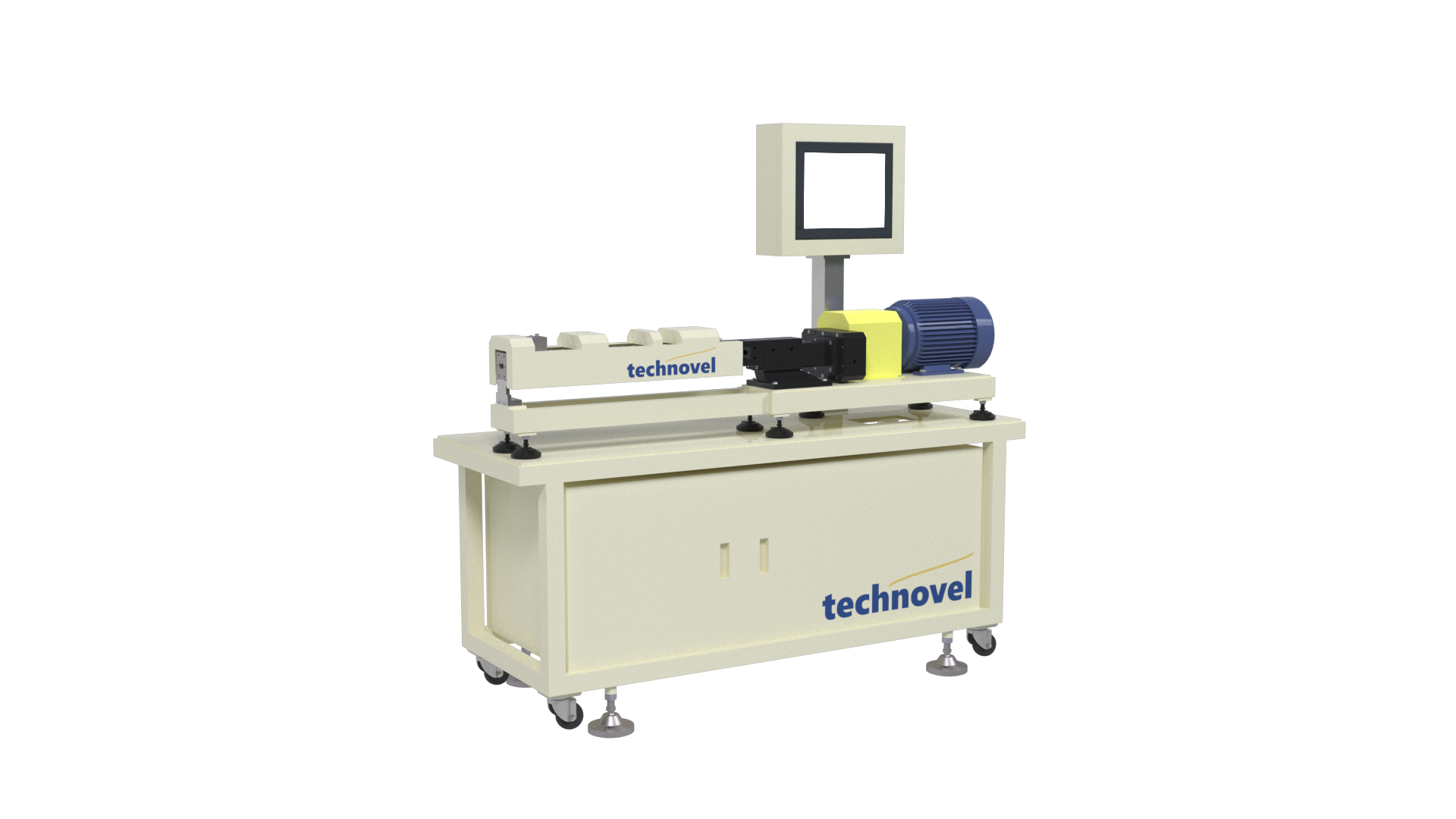
The TCR series is for materials that are sensitive to shear heating, such as PVC. It kneads with lower shear intensity at 100 to 1,000 rpm, in diameters from 6 to 92 mm. It uses the same style of segmented elements as our co rotating machines, so the screw design remains freely configurable.
Learn moreStrengths
Why customers choose Technovel
More than 1,000 units of our equipment are installed in Japan, including over 600 extruders, at universities, research institutes and major manufacturers. Installations abroad include the University of Massachusetts.
Our 6 mm model is, to our knowledge, the smallest fully segmented co rotating twin screw extruder available anywhere. With seven lab sizes from 6 to 25 mm, we can match the machine to your material quantity, not the other way around.
Design, machining and assembly all take place at our works in Osaka. Feeding positions, vent ports, barrel materials and discharge type are configured for each project. If the machine you need does not exist in a catalog, we design it.
Compounding succeeds or fails on how the screw is built. We design that configuration for your material ourselves, drawing on decades of compounding trials across plastics, chemicals, food and recycling, and the machine is delivered ready to run it.
Sales and after sales support in the US are provided by our distributor Orbetron LLC, with our engineering team in Osaka behind them. A KZW15 lab extruder is installed in Charlotte for demonstrations and extrusion trials.
Simulation
Building screw design know how with Ludovic

Screw design know how comes from running trials, but a machine can only run so many. Alongside our own trials we use Ludovic, the twin screw extrusion simulation software developed by SC Consultants in France, and compare the two.
For more than thirty years we have built lab machines for customers in Japan across a wide range of fields, and much of what we know about screw design comes from that work. Ludovic allows us to describe that experience in physical terms, so that we understand why a configuration worked and not only that it worked.

Sciences Computers Consultants, based in Saint-Etienne, France, develops Ludovic, a simulation software for co-rotating twin screw extrusion used by resin producers, compounders and research institutes. Technovel uses Ludovic in its own screw design work. If you would like to run simulations yourself, we can introduce you to SCC.
Learn about LudovicHow We Think
Screw design and technical information

Compounding results depend largely on how the screw is configured for each material. Kneading disc arrangement, fill ratio and residence time, vent positions and feeding all affect the outcome. Much of this knowledge comes from experience in the field rather than from textbooks.
We publish this knowledge in our Extrusion Column, a technical library written by our engineers, covering extrusion from the fundamentals to specialist topics.

Our engineers have arranged thirteen articles into four levels: the basics of extrusion, the structure of the machine, the phenomena inside the barrel, and finally screw design and scale up.
It is written for engineers who are new to extrusion, and for those who want to put what they already know in order.
In Short
What we can do for you
If you are developing a material and need a twin screw extruder that matches the quantity you actually have, this is where we can help.